A visual guide to light energy. See pictures of natural and artificial light sources with simple explanations of how each one works.
A picture is worth a thousand words when learning about light energy. These photos show the main sources of light in our world, from the sun in the sky to the bulbs in our homes. Each one reveals something different about how light works.
The sun is a giant nuclear fusion reactor in space. It produces more energy in one second than humans have used in all of history. The light from the sun travels through space and reaches Earth in about 8 minutes.
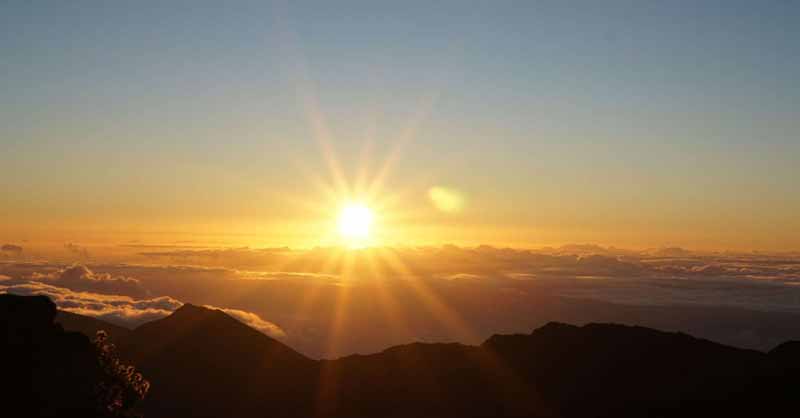
Sunlight looks white, but it actually contains all the colors of the rainbow mixed together. When sunlight passes through raindrops, the colors separate and form a rainbow. Sunlight also contains invisible ultraviolet and infrared light.
The light bulb changed human history. Before electric lights, people relied on candles, oil lamps, and fire. Electric bulbs let us work, read, and play after dark.
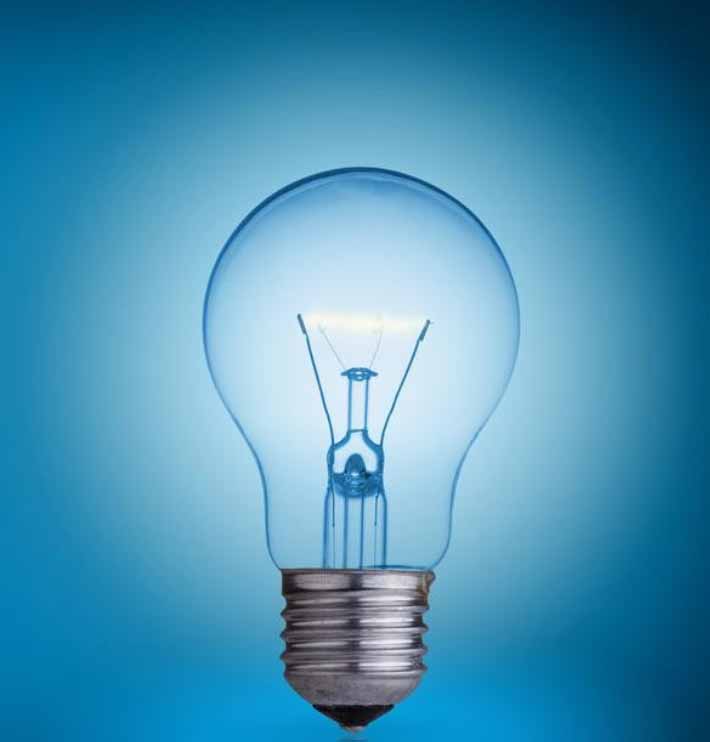
Modern LED bulbs use about 80% less electricity than old incandescent bulbs. They also last much longer. An LED bulb can run for 50,000 hours. That is about 6 years of continuous use.
Before electricity, people used flame-based lighting. Lanterns protected the flame from wind and rain. They were essential for travel and work after dark.
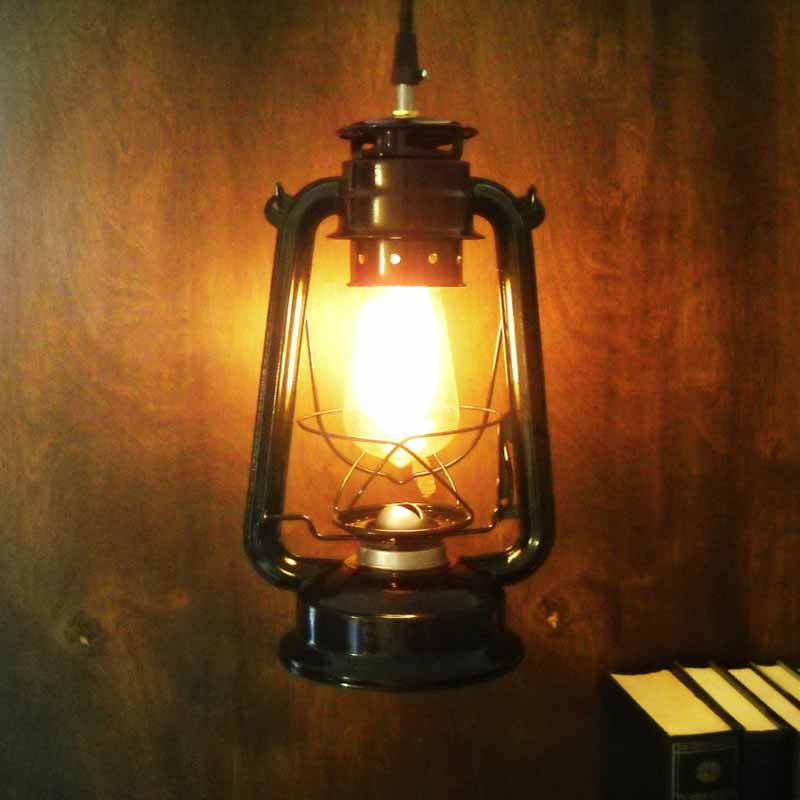
Fire produces light through combustion. When fuel burns, chemical energy converts into heat and light. A candle flame produces about 12 lumens of light. That is enough to read by if you are close.
Explosions produce an intense flash of light. The chemical reaction releases energy very quickly. Most of the energy becomes heat. Some becomes light. The light from a large explosion can be seen from many kilometers away.
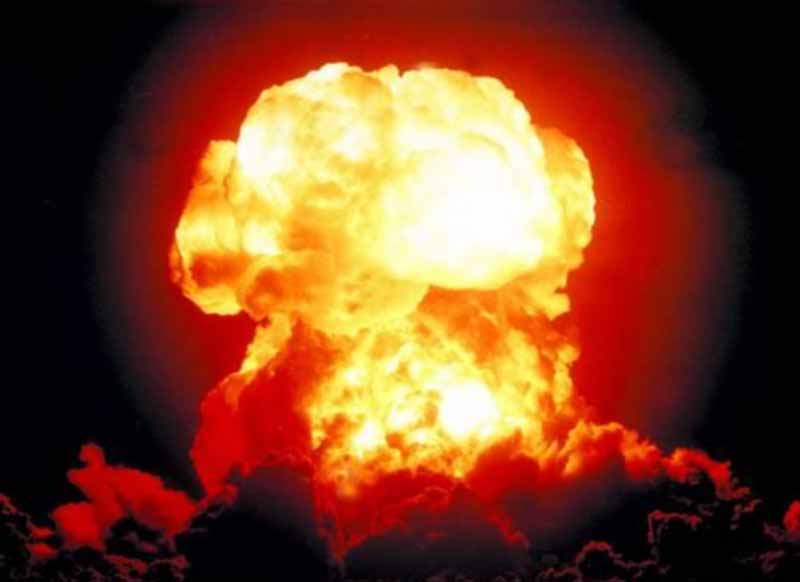
A nuclear explosion produces a flash brighter than the sun. The fireball heats the surrounding air to millions of degrees. The light can cause temporary blindness from kilometers away.
The sun is our main source of light energy. It is a star that produces light through nuclear fusion. The light takes 8 minutes to reach us.
Light bulbs convert electricity into light. Incandescent bulbs heat a filament. LED bulbs use semiconductors.
Flame produces light when fuel burns. The color depends on temperature. Blue flames are hotter than yellow ones.
Lightning is a giant electrical spark. It heats the air hotter than the surface of the sun, producing an intense flash.
Bioluminescence is light produced by living things. Fireflies, jellyfish, and some fungi produce their own light through chemical reactions.
Look at the pictures on this page. Each one shows a different way to make light. The sun makes light from nuclear reactions. Light bulbs make light from electricity. Fire makes light from burning. Lightning makes light from a huge spark.
All these sources do the same thing. They produce light that helps you see.
The photographs on this page illustrate the two main categories of light production. Thermal sources produce light through heat. The sun and fire are thermal sources. Non-thermal sources produce light through other mechanisms. LEDs and bioluminescence are non-thermal.
Each source has a different color temperature. The sun has a color temperature of about 5,500 Kelvin. A candle flame is about 1,800 Kelvin. An LED bulb can range from 2,700K (warm white) to 6,500K (cool white). Lower Kelvin numbers mean warmer, more yellow light. Higher numbers mean cooler, more blue light.
Discussion questions:
Activity: Take photos of different light sources around your home or school. Compare their colors and brightness. Research what makes each one unique.
Last updated: September 14, 2026
What does light look like in pictures?
Light itself is invisible. Pictures show light sources or the effects of light, like illumination, shadows, and reflections.
What is the best way to photograph light?
Photographers capture light by photographing sources (sun, bulbs, fire) or effects (sunbeams, reflections, rainbows).
Can light be seen in a photo?
You cannot see light beams directly. You see the objects they illuminate or particles they reflect off, like dust in a sunbeam.
What types of light are easiest to photograph?
Bright sources like the sun, fire, and light bulbs are easiest. Bioluminescence requires long exposure and special equipment.
Why do light pictures help learning?
Visuals help students connect abstract concepts to real-world examples. Seeing a light source makes the science more concrete.