Explore the most famous hydro energy examples around the world. From Three Gorges to Hoover Dam, learn how these massive projects generate clean electricity.
Some of the biggest structures ever built by humans are hydroelectric dams. These massive projects generate clean electricity for millions of people. They also provide water, control floods, and shape entire regions. From China’s Three Gorges to the Hoover Dam in the US, each one has an amazing story.
The Three Gorges Dam is the largest power station on Earth. It spans the Yangtze River in central China. It is 2,335 meters long and 181 meters tall. That is as tall as a 60-story building.
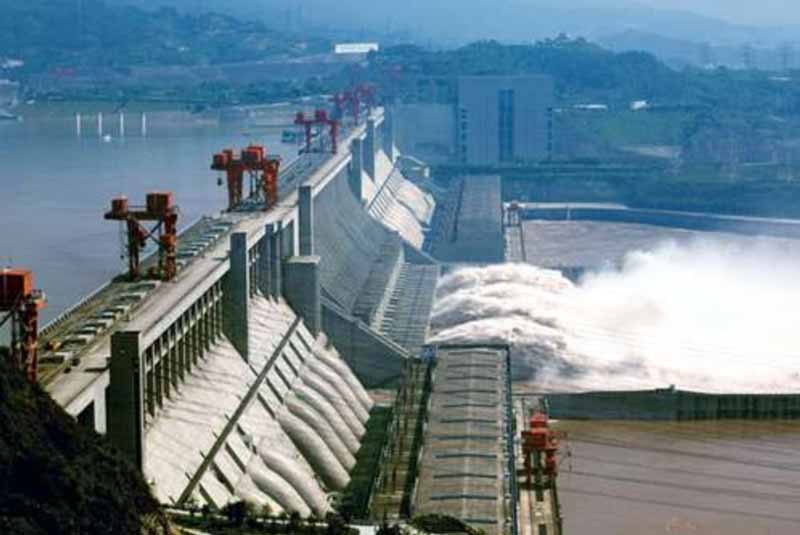
Construction took 17 years and cost over 37 billion dollars. The project used 28 million cubic meters of concrete. That is enough to build a wall 1 meter thick and 1 meter tall stretching from New York to Los Angeles.
The dam has 34 generators with a total capacity of 22,500 megawatts. It produces about 100 billion kilowatt-hours per year. That is enough to power 80 million homes.
But the dam also flooded over 600 square kilometers of land. More than 1.3 million people had to move from their homes. The environmental cost was enormous.
Itaipu Dam sits on the Paraná River between Brazil and Paraguay. It is the second-largest hydro plant in the world by annual energy production. It generates about 90 billion kilowatt-hours per year.
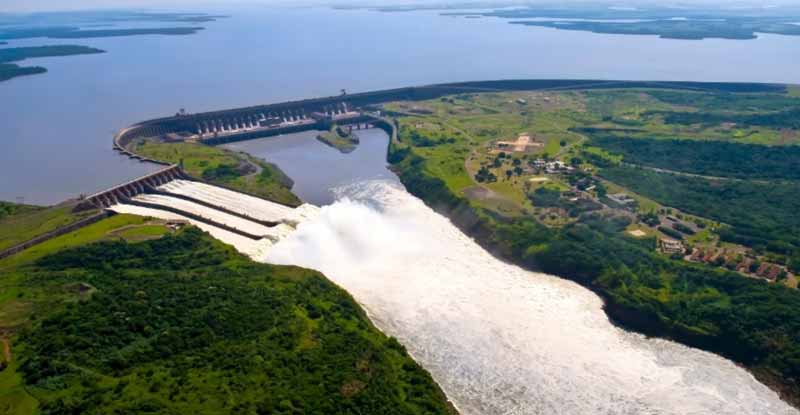
The dam is 7,919 meters long and 196 meters tall. It has 20 generating units. Each unit weighs as much as a 450-tonne turbine.
Itaipu is a joint project between Brazil and Paraguay. Paraguay uses only about 5% of the power it is entitled to. It sells the rest back to Brazil. The dam paid for its construction in just 6 years.
Xiluodu Dam is on the Jinsha River, a tributary of the Yangtze in southwest China. It is the third-largest hydro plant in the world by capacity.
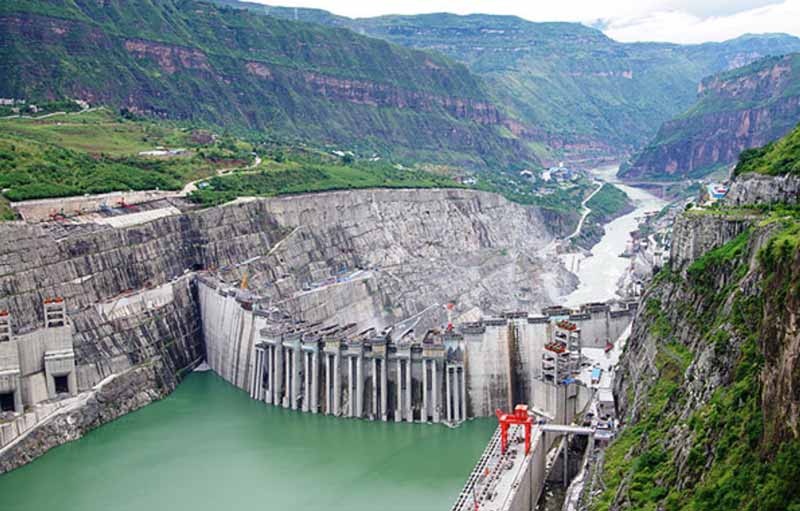
The dam is arch-shaped, which lets it use less concrete while remaining strong. It stands 285 meters tall. That is taller than the Eiffel Tower. It has 18 generators with a total capacity of 13,860 megawatts.
Guri Dam sits on the Caroní River in eastern Venezuela. It is one of the largest hydro plants in South America.
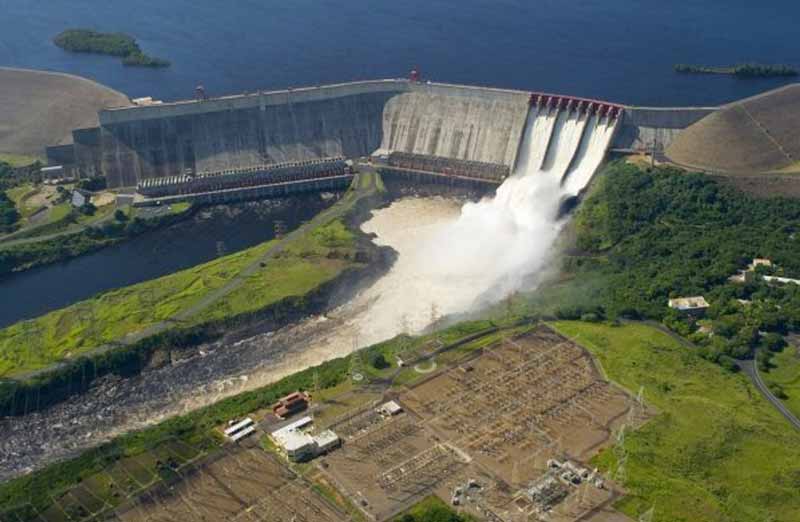
The dam is 7,426 meters long and 162 meters tall. It has a capacity of 10,235 megawatts. Guri provides most of Venezuela’s electricity.
In 2019, water levels at Guri dropped to critical lows during a severe drought. The dam had to reduce power output. This shows how dependent hydro is on weather and climate.
Tucurui Dam is on the Tocantins River in northern Brazil. It was one of the first large dams built in the Amazon rainforest.
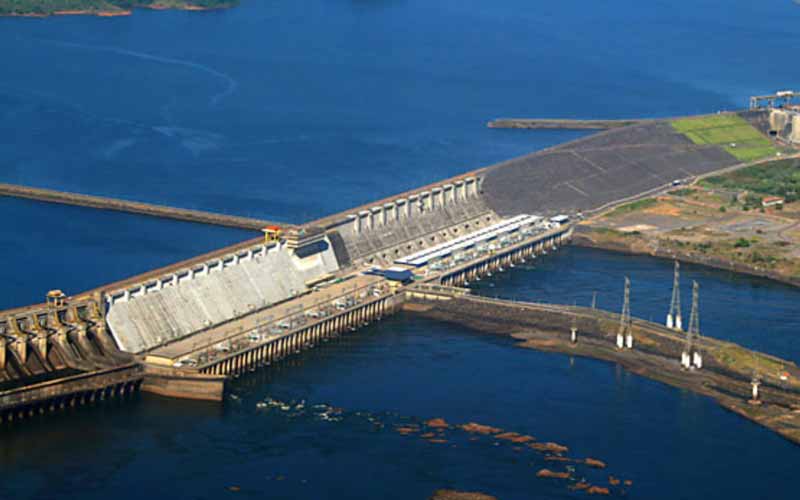
The dam is 11 kilometers long. That makes it one of the longest dams in the world. It has a capacity of 8,370 megawatts. Its reservoir flooded 2,430 square kilometers of rainforest, sparking debate about dams in sensitive environments.
Imagine building a wall across a giant river. The wall holds back so much water that it creates a lake behind it. Now imagine that wall has a door. When you open the door, the water rushes through and spins a big fan. That spinning fan makes electricity.
That is what a hydroelectric dam does. The biggest ones are like walls across the widest rivers. They can make enough electricity for millions of homes.
Hydroelectric dams can be classified by size. Large dams are over 15 meters tall or have a capacity over 30 megawatts. The dams described here are all in the large category, with capacities measured in thousands of megawatts.
The total installed hydro capacity worldwide is over 1,300 gigawatts. China alone accounts for about 370 gigawatts, more than the next three countries (Brazil, Canada, USA) combined.
Most good dam sites in developed countries are already used. Future growth will come from upgrading existing dams, adding generation to non-powered dams, and building new projects in developing countries.
Discussion questions:
Activity: Find your local river on a map. Discuss where a dam could be built and what would be affected.
Last updated: September 14, 2026
1. Which dam is the largest in the world by power output?
2. The Itaipu Dam is shared by which two countries?
3. What is Hoover Dam's main reservoir called?
4. Where is the Xiluodu Dam located?
5. About how much of Paraguay's electricity comes from Itaipu Dam?
What is the largest hydroelectric dam in the world?
The Three Gorges Dam in China is the largest by power output at 22,500 megawatts. It spans the Yangtze River and is nearly 2.5 kilometers long.
What is the largest hydroelectric dam in the United States?
The Grand Coulee Dam in Washington is the largest US hydro plant. It generates about 21 billion kilowatt-hours per year.
Where is the Itaipu Dam located?
Itaipu Dam sits on the Paraná River between Brazil and Paraguay. It supplies about 75% of Paraguay's electricity and 17% of Brazil's.
Which country has the most hydroelectric dams?
China has the most hydroelectric capacity of any country, followed by Brazil, Canada, and the United States.
What is the oldest hydroelectric plant?
The first hydroelectric plant opened in 1882 in Appleton, Wisconsin. The oldest still-operating plant is Cragside in England, built in 1896.